Loading…
Serving Encinitas, CA and surrounding areas. (760) 274-8669
Adding a room, building a deck, or putting up a retaining wall? The footing is what keeps everything above it stable. Get it right the first time on Encinitas's tricky coastal soils.
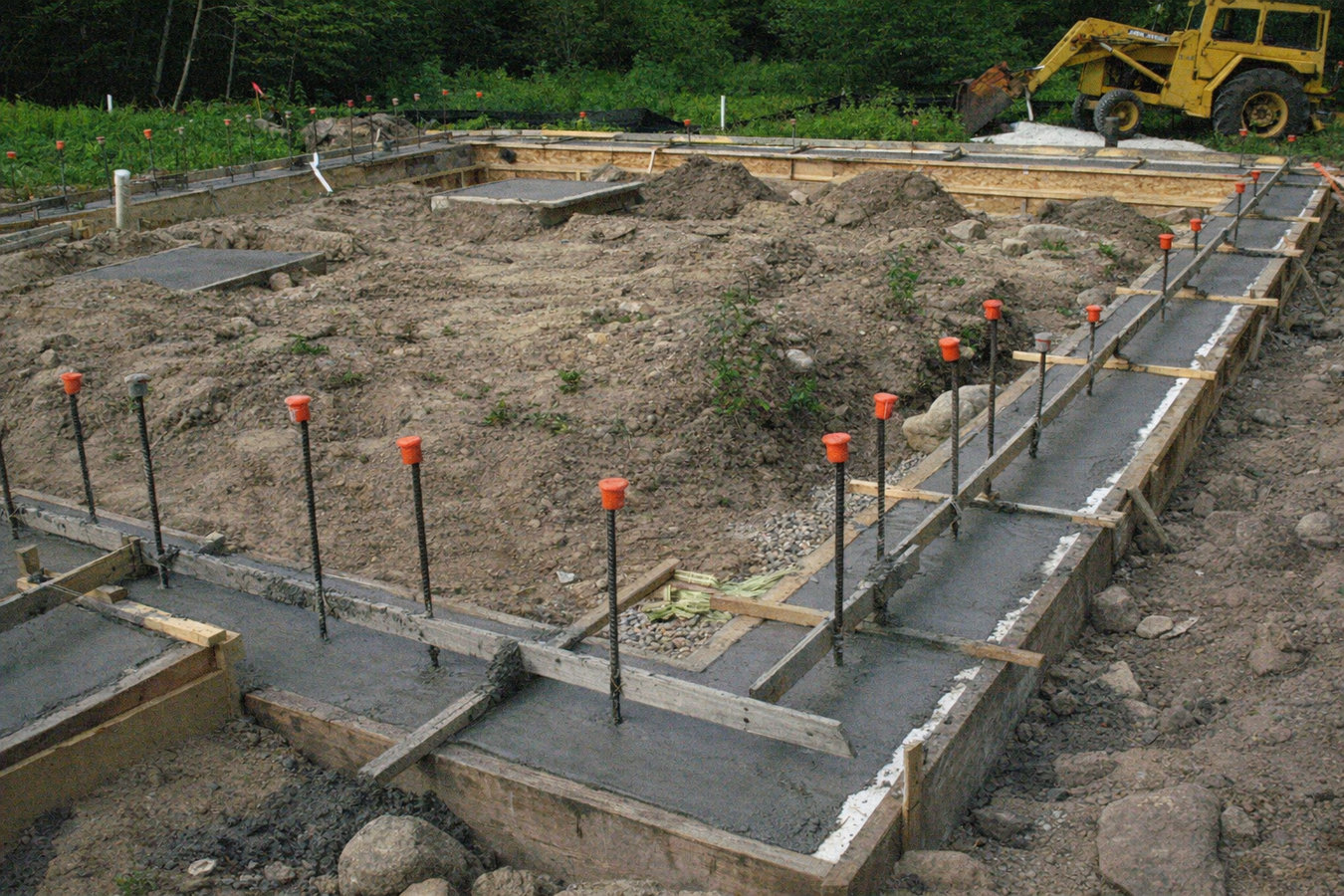
Concrete footings in Encinitas means digging to stable, undisturbed soil - which varies more here than in most inland areas - setting rebar, passing a city pre-pour inspection, and pouring a base built to carry the specific load above it. Most residential footing projects take one to three days of active work, with a curing period before framing or heavy loads begin.
Encinitas has a mix of sandy coastal soils near the shore and clay-heavy ground farther inland toward Olivenhain - both of which can shift seasonally and put extra stress on footings that were not designed for local conditions. The city also requires a permit and a pre-pour inspection for nearly all structural footing work, which is actually a protection for you as a homeowner. If your project involves a larger structure, the permit review may require a geotechnical report or engineering stamp before work begins. For projects that also need a full foundation - not just isolated footings - see foundation installation for how those projects are handled.
We pull the permit, coordinate the city inspection, and handle everything from excavation through curing. You are involved in the decisions, but not in the paperwork.
If you are adding a room, building a covered patio, or converting a garage into living space, new footings are almost certainly required before any framing begins. This is true even if the existing structure looks solid - new loads need new support sized for those loads. ADU projects are especially common in Encinitas right now, and they almost always trigger a footing review.
Diagonal cracks running from window or door corners, or cracks that grow over time, often indicate the ground beneath your home is moving. In Encinitas, clay-heavy and sandy coastal soils can shift seasonally, putting stress on older footings. If you are seeing new cracks that were not there a year ago, it is worth having the footings evaluated before the problem compounds.
When a footing shifts or settles unevenly, the house frame moves with it - and doors and windows are usually the first sign. If a door that always worked fine now scrapes the floor or will not latch, and there is no obvious water damage, the problem may be in the foundation below. This is especially worth investigating in older Encinitas homes that have never had their footings evaluated.
Fence posts, retaining walls, and structural additions on the sloped or coastal bluff lots common throughout Leucadia, Cardiff, and Olivenhain need footings designed specifically for slope. A fence that leans or a retaining wall that bows outward after a few years is almost always a footing problem. If you are building anything structural on a grade, proper footings are not optional.
We handle permit application, site excavation, utility locating via the state-required 811 call, form setting, rebar placement, and the pour - including coordinating the city's pre-pour inspection, which is required before any concrete goes in the ground on permitted projects. For sloped or bluff-adjacent lots, we involve a structural engineer when the permit or soil conditions require it. Our footing work connects naturally to broader structural projects: we also build foundation raising and full foundation installation for property owners tackling larger scope work.
Footing type depends on what you are building. Continuous spread footings are standard for room additions and retaining walls. Isolated pad footings work for deck posts and freestanding structures. Drilled pier footings are sometimes required on sloped lots or where shallow soil is unstable. We assess your specific conditions and match the footing type to the load and the site - not a one-size approach copied from a different soil type.
Standard for room additions and retaining walls where load is distributed across a long, linear base.
Suited for deck posts, pergolas, and freestanding structures where point loads need individual support.
Used on sloped lots and unstable soil conditions where conventional shallow footings cannot reach stable ground.
Encinitas sits on a mix of soil types that create real challenges for footing work. Coastal neighborhoods near Leucadia and Cardiff have sandy, well-draining soils that can shift under load. Farther inland near Olivenhain, clay-heavy ground expands when wet and contracts when dry - applying consistent lateral stress to footings over time. The city has recognized these conditions in its permit requirements: geotechnical reports are frequently requested for sloped lots and larger structures, and the City of Encinitas Development Services Department inspects footings before the pour on all permitted projects. A contractor who does not know this process will either miss the inspection requirement or create delays by submitting incomplete plans.
We work on footing projects across Carlsbad and Vista as well as throughout Encinitas - North County San Diego communities where soil variability and active permit requirements are part of every structural project.
We respond within 1 business day and schedule a free visit to your property. We look at what you are building, assess the soil conditions and lot grade, and ask whether you have spoken with the city yet - no obligation, no phone estimates.
You receive an itemized quote covering excavation, forming, rebar, the pour, and permit fees. We flag early if a soils report or engineer review is likely so there are no surprises mid-project.
We submit to the City of Encinitas Development Services on your behalf. Straightforward projects typically take a few weeks for approval. We manage the timeline and confirm your start date once the permit is issued.
The crew digs to the required depth, places rebar, and builds the form. The city inspector checks the footing before the pour - this is required and protects you. Once approved, concrete goes in. Light framing can begin after about one week of curing.
We respond within 1 business day. After you submit, someone from our office calls to schedule a free on-site estimate - no pressure, no obligation.
(760) 274-8669Encinitas has genuinely variable soil conditions - sandy near the coast, clay-heavy inland, and bluff soils that require engineering review. We assess your specific lot before quoting so the depth, type, and reinforcement specified in your estimate reflects what your property actually needs.
The City of Encinitas requires an inspector to check the footing form and rebar before any concrete is poured. We have managed this process across projects throughout North County San Diego and schedule around inspection windows so your project does not sit idle waiting for a sign-off.
We work in Encinitas, Carlsbad, Vista, San Marcos, and across the broader region - communities with similar soil conditions, active permit offices, and a high volume of ADU and addition projects. That breadth of local work means we have seen the edge cases that catch out-of-area contractors off guard.
Footing work is underground and invisible once covered. We invite you to be present at the pre-pour inspection - you can see what the city is checking and why. After the job, you have a permitted, inspected record on file with the city. The American Concrete Institute sets the standards we work to - and that record protects your home's value if you ever sell.
Every footing project starts with an honest assessment of what your property actually needs and ends with a city-inspected result documented in writing. That is the standard we hold ourselves to on every job.
Lifting and releveling settled foundations in Encinitas with proper permit handling and soil-specific engineering.
Learn moreComplete foundation builds for new structures, additions, and ADUs on Encinitas's variable coastal soils.
Learn morePermit processing takes time - reach out now so your project timeline does not slip while paperwork is in review.